
Table of Contents
THCP has become one of the most talked-about cannabinoids in the hemp space, largely because it behaves differently from more familiar compounds. Even when it shows up in extremely small amounts on a label, people notice it. That contrast between “tiny percentage” and “big presence” is what drives curiosity and confusion. This guide breaks THCP down in plain language, explains why brands formulate it so carefully, and clarifies who should probably sit this one out.
Quick Answer: Why THCP Feels Strong
The short answer is that THCP interacts with the body more efficiently than many other cannabinoids. Efficiency matters. When a compound binds more readily, it doesn’t need to appear in large quantities to register. That’s why you’ll often see THCP listed at fractions of a percent, yet it still becomes the headline ingredient in a product description.
This efficiency is also why brands are conservative. A small inclusion can shape the entire experience of a formulation without overwhelming the blend. In live resin products especially, the goal is balance allowing the terpene profile and primary cannabinoids to stay in the spotlight while THCP quietly does its job in the background.
It’s also worth noting that strength is not the same as quality. The presence of THCP doesn’t automatically mean “better.” Instead, it signals a specific design choice: using a highly active cannabinoid sparingly rather than loading a formula with volume.

Receptor Binding Explained Simply
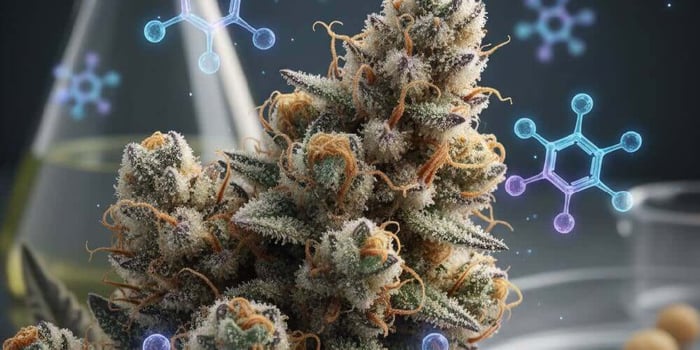
You don’t need a chemistry degree to understand receptor binding. Think of receptors as locks and cannabinoids as keys. Some keys fit loosely, others click in more cleanly. Tetrahydrocannabiphorol happens to be a key that fits especially well.
Because of this fit, THCP can interact effectively even at low concentrations. That’s the reason lab reports may list it at levels that look almost insignificant. On paper, those numbers seem tiny. In practice, they matter.
This is where lab transparency becomes important. A clearly documented COA helps consumers understand not just what’s present, but how those components might behave together. When reviewing a THCA COA, experienced readers often scan beyond the headline cannabinoid and pay attention to minor constituents like Tetrahydrocannabiphorol, since those small figures can influence the overall formulation.
Importantly, this explanation is about interaction, not outcomes. It’s a structural characteristic, not a promise of a specific effect. Brands that communicate this distinction clearly tend to earn more trust over time.
Pinweel Live Resin Blends Vape Cartridge | 2 Grams

$19.99
Pinweel Live Resin Blends Vape Cartridge | 2 Grams Proving its worth each time you take a puff, the Pinweel Live Resin Blends Vape Cartridge is severely impressive with the proprietary blends that it offers. It is a cart that is… read more
Why Brands Use Small Percentages
There are three main reasons brands keep THCP percentages low: control, consistency, and compliance.
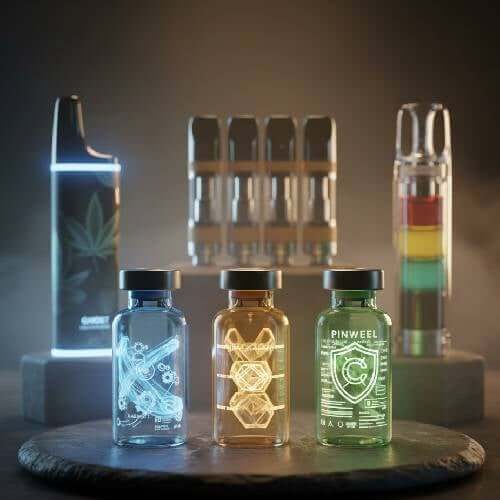
- Control: comes first. Tetrahydrocannabiphorol is potent by design, so using less allows formulators to fine-tune a product instead of overpowering it. This is especially relevant in live resin formats, where the natural terpene profile is a major selling point. Products like the Ghost THCP Live Resin Disposable Vape are built around balance, not excess.
- Consistency: is the second factor. Small, measured inclusions are easier to reproduce batch after batch. Large swings in concentration can lead to uneven results, which is something reputable brands work hard to avoid.
- Compliance: rounds out the list. In a market shaped by evolving regulations, conservative formulations reduce risk. Keeping Tetrahydrocannabiphorol at trace or micro levels helps brands stay aligned with testing standards and labeling expectations while still offering something distinctive.
You’ll see this approach reflected across categories, from disposables to cartridges. The Pinweel Live Resin Blends Vape Cartridge, for example, focuses on layered cannabinoid profiles rather than isolating a single compound. Tetrahydrocannabiphorol appears as a supporting player, not the entire story.
Who Should Avoid THCP
THCP isn’t designed for everyone, and that’s okay. Products formulated with it tend to assume a more informed audience—people who read labels carefully and understand why small numbers can matter.
Those who are new to cannabinoids, or who prefer straightforward formulations, may be better served by products that don’t include Tetrahydrocannabiphorol at all. Simpler profiles reduce guesswork and make it easier to understand what you’re purchasing.
Likewise, consumers who prioritize predictability often lean toward brands and blends with longer track records. Tetrahydrocannabiphorol is still relatively new in commercial products, and while the science behind it is compelling, not everyone wants to experiment at the edge of the category.
This is why many companies clearly position Tetrahydrocannabiphorol offerings as advanced or specialty options. A product like the Hidden Hills Live Resin Disposable Vape fits that niche, appealing to experienced users who already understand how minor cannabinoids can shape a formulation.
Conclusion
THCP challenges the assumption that bigger numbers are always better. Its defining trait is efficiency, not volume. That’s why tiny percentages matter, and why careful brands treat it with respect.
Understanding Tetrahydrocannabiphorol starts with understanding formulation philosophy. When used sparingly, it can complement live resin blends and add depth without dominating the profile. When misunderstood, it can look confusing or even misleading on a label.
Reading lab reports closely, including minor entries on a THCA COA, gives consumers the context they need to make informed decisions. In a crowded market, that kind of literacy separates impulse buys from intentional choices.
As cannabinoid science continues to evolve, Tetrahydrocannabiphorol will likely remain a specialty ingredient—valuable, powerful, and best appreciated when handled carefully.
FAQs
Is THCP always listed at very low percentages?
Yes, in most commercial products it appears at trace or micro levels. That’s intentional and reflects how efficiently it interacts within a blend.
Does a higher THCP number mean a better product?
Not necessarily. Quality depends on formulation balance, ingredient sourcing, and accurate testing, not just a single cannabinoid percentage.
Why do some COAs barely show THCP at all?
Because even very small amounts can be meaningful. Labs report exact figures, even when they look minor on paper.
Should beginners choose products with THCP?
Many beginners prefer simpler formulations. THCP products are often better suited to experienced consumers who understand cannabinoid labeling.
Will THCP replace other cannabinoids in the future?
It’s more likely to remain a complementary ingredient rather than a replacement, valued for what it adds in small doses rather than as a standalone focus.