
Table of Contents
Certificates of Analysis can look intimidating at first glance. Rows of numbers, abbreviations, percentages, and lab jargon often make it feel like you need a chemistry degree just to understand what you’re looking at. In reality, a THCA COA is meant to do one simple thing: show you what’s in a product and confirm that it was tested properly. Once you know where to look, most of the confusion disappears.
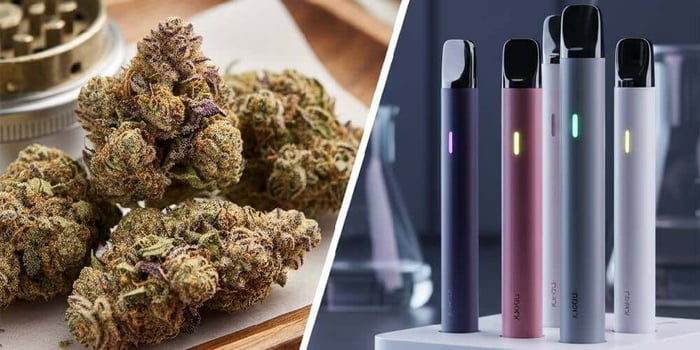
This guide breaks down how to read a THCA COA step by step, focusing on the sections that actually matter to everyday buyers. Whether you’re checking flower, concentrates, or THCA disposables like the Boutiq Switch V5 Liquid Live Diamonds Disposable or the Hidden Hills x Diamond Boyz Diamond Reserve Disposable, the same basic rules apply.
What Actually Matters
If you only have a minute to review a COA, there are a few key things you should always check first. These sections tell you the most about product quality and legitimacy without getting lost in technical details.
Start by confirming that the report matches the exact product you’re holding. The product name, batch or lot number, and testing date should all line up. A mismatch here is a red flag, even if the rest of the report looks clean.
Next, look at the cannabinoid panel. This is where THCA content is listed and where many people focus their attention. You’re not just looking for a big number—you’re checking how THCA compares to Delta-9 THC and whether the ratios make sense.
After that, scan the contaminant testing section. Even a high-THCA product means very little if it hasn’t passed safety screenings. Finally, glance at the terpene section if it’s included, as this gives insight into aroma and overall profile.

At-a-Glance Checklist When Reading a THCA COA
- Confirm the product name, batch or lot number, and test date all match the item you’re buying
- Check the THCA percentage first, then compare it directly to the Delta-9 THC value
- Ignore “total THC” unless you understand the conversion math behind it
- Scan the terpene section for a reasonable, non-zero profile if listed
- Verify all contaminant tests show Pass results for pesticides, heavy metals, microbes, and solvents
- Make sure the COA comes from a third-party lab, not an in-house report
Cannabinoid Panel Explained
The cannabinoid panel is typically the first table on a THCA COA, and it’s where most people spend their time. This section lists individual cannabinoids along with their measured amounts, usually shown as a percentage by weight.
THCA will almost always be listed near the top. This number represents the raw, acidic form of THC present in the product before any heat is applied. In compliant THCA products, this percentage is high compared to Delta-9 THC.
Delta-9 THC is listed separately, and this number is especially important. For many buyers, this is the line that determines whether a product meets legal thresholds in their state. On a properly labeled THCA COA, Delta-9 THC should be very low, often well under one percent.
You may also see other cannabinoids such as CBDA, CBD, CBG, or trace amounts of minor compounds. These aren’t usually the main focus, but they help confirm that the lab ran a full cannabinoid scan instead of a partial test.
One common point of confusion is “total THC.” Some COAs include a calculated total THC value based on THCA conversion formulas. This number can look alarming if you don’t know what it represents. What matters most is how THCA and Delta-9 THC are listed individually, not just the total.
Consistency is another thing to watch for. If a product claims to be high-THCA on its packaging, the COA should reflect that clearly. Large discrepancies between advertised potency and lab results are worth questioning.
Hidden Hills x Diamond Boyz Diamond Reserve Disposable 1g

$15.99
Hidden Hills x Diamond Boyz Diamond Reserve Disposable With this epic collaboration between Hidden Hills Club and Diamond Boyz, you're getting an epic product: the Hidden Hills x Diamond Boyz Diamond Reserve Disposable. It's a part of the Flawless Edition… read more
Terpene Section Breakdown
Not every THCA COA includes terpene testing, but when it does, this section adds useful context. Terpenes are aromatic compounds that influence scent, taste, and overall character. They don’t determine legality, but they do affect user experience.
The terpene panel usually lists individual terpenes such as myrcene, limonene, caryophyllene, or pinene, along with their concentrations. These values are much smaller than cannabinoids and are often shown in fractions of a percent.
Rather than focusing on exact numbers, look at the overall terpene profile. A product with a diverse terpene spread often indicates better preservation and handling. Extremely low or nonexistent terpene values may suggest heavy processing or long storage times.
Some THCA disposables highlight terpene-rich formulations. In products like the Boutiq Switch V5 Liquid Live Diamonds Disposable, the terpene section helps confirm whether the formulation aligns with what’s advertised.
It’s also normal for terpene profiles to vary slightly from batch to batch. Minor changes don’t automatically mean a problem, but drastic shifts could be worth noting if consistency matters to you.

Contaminant Testing
Contaminant testing is one of the most important parts of a THCA COA, even though it’s often skipped by casual readers. This section confirms that the product was screened for substances that shouldn’t be present.
Pesticide testing checks for agricultural chemicals that may remain after cultivation. Results are typically shown as Pass or Fail, sometimes with numerical limits listed alongside. A clean report should show all tested pesticides as passing or below detectable levels.
Heavy metals testing looks for elements such as lead, arsenic, mercury, and cadmium. These substances are measured in very small units, and the COA should clearly indicate that levels fall within acceptable limits.
Microbial testing screens for things like mold, yeast, and bacteria. This is especially relevant for inhalable products, including THCA disposables. A passing result here indicates that the product met basic cleanliness standards at the time of testing.
Residual solvent testing may appear on COAs for concentrates or vapes. This section shows whether any solvents used during extraction remain in the final product. Passing results confirm that these compounds are below established thresholds.
If a COA is missing contaminant testing entirely, that’s a sign to be cautious. A complete THCA COA should include these sections, even if all results simply say Pass.
Conclusion
Understanding how to read a THCA COA doesn’t require expert knowledge—just knowing where to focus. Once you get comfortable reviewing cannabinoid levels, terpene profiles, and contaminant results, those dense lab reports become useful tools instead of confusing paperwork. Whether you’re checking flower or modern THCA disposables like the Hidden Hills x Diamond Boyz Diamond Reserve Disposable, the same fundamentals apply every time.
FAQs
What does a COA actually prove?
A COA confirms that a specific batch of a product was tested by a third-party lab and shows the measured results. It does not guarantee future batches will be identical, but it does provide transparency for the one tested.
Why does THCA look high while THC looks low?
THCA and Delta-9 THC are listed separately. In compliant products, THCA is present in much higher amounts, while Delta-9 THC remains low. This distinction is central to how these products are categorized.
Should I worry about total THC numbers?
Total THC values are calculated estimates. When reading a THCA COA, it’s more important to focus on the individual THCA and Delta-9 THC listings rather than the combined total.
Do terpene numbers affect compliance?
No. Terpenes don’t impact legality. They are included for informational purposes and to give insight into aroma and formulation quality.
Is one COA enough to trust a brand?
A single clean COA is a good sign, but consistency across products and batches matters. Brands that regularly publish complete, up-to-date COAs tend to be more transparent overall.