
Table of Contents
The conversation around next-generation hemp cannabinoids has gotten a lot louder over the last year, and two names keep coming up in the same sentence: HHC-P vs THCP. Both are known for being more intense than standard Delta-8 or Delta-9 products, and both tend to show up in specialty blends and higher-end disposables. If you’re trying to understand how they really compare, this breakdown focuses on strength, longevity, and practical differences without hype or medical claims.
Quick Answer: Which One Hits Harder?
If you’re looking for the simplest takeaway, most experienced users report THCP as the stronger of the two in terms of raw intensity, while HHC-P is often described as powerful but slightly more controlled. That difference is why THCP is usually found in very small percentages, whereas HHC-P may appear more comfortably in blended formulas.
In other words, THCP tends to feel sharper and heavier, while HHC-P often feels dense and long-lasting without the same edge. This is why the debate around HHC-P vs THCP usually comes down to preference rather than a single “winner.”
Potency and Duration Compared
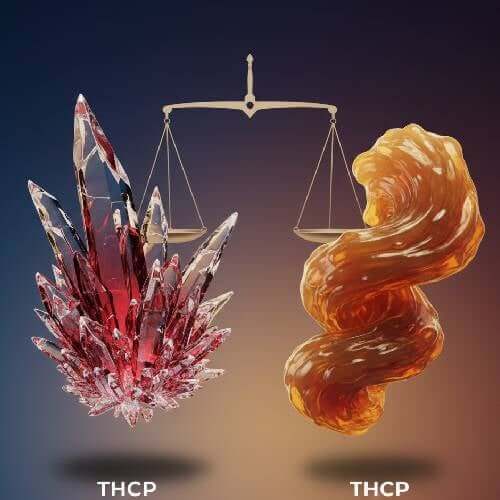
Potency isn’t just about how strong something feels at first inhale. It also includes how long the effects last and how consistently they build over time. This is where the differences between these two cannabinoids become more noticeable.
How THCP Is Commonly Described
THCP is often labeled as a “micro-dose cannabinoid.” That doesn’t mean it’s weak—it means small amounts tend to go a long way. Many users say the onset feels fast and pronounced, with a depth that stands out even among other high-potency hemp compounds.
- Typically used at very low percentages in products
- Perceived as more intense per puff
- Often described as having a strong peak
Because of this profile, THCP is usually blended carefully with other cannabinoids to keep the experience manageable.
How HHC-P Is Commonly Described
HHC-P, on the other hand, is frequently described as smoother and more drawn out. While still considered a high-potency cannabinoid, it tends to build more gradually and linger longer.
- Often feels heavier over time rather than instantly sharp
- Known for extended duration compared to many alternatives
- Commonly included in balanced blends
This slower, more rounded profile is one reason HHC-P shows up in disposables aimed at longer sessions rather than quick hits.
Duration: Short vs Long-Lasting
When comparing duration, many users say THCP peaks strongly but may taper off sooner, while HHC-P maintains a steadier presence. Neither is “better” universally—it depends on whether you prefer intensity upfront or consistency over time.
LITTO Tri Blend Delta-8 Disposable Vape | 2 Grams

$24.99
LITTO Tri Blend Delta-8 Disposable Vape | 2 Grams Creating an incredible arsenal of effective vapes, the LITTO Tri Blend Delta-8 Disposable Vape is definitely one of the devices you should consider adding to your roster. It's a premium disposable… read more
Side-Effect Considerations
Any discussion of stronger cannabinoids should include practical considerations around tolerance and comfort. While individual experiences vary, higher potency generally means there’s less margin for error. HHC-P vs THCP
THCP’s strength is the main reason it’s sometimes described as overwhelming for newer users. Taking too much too quickly can feel like more than expected, especially if someone is accustomed to standard Delta-8 or HHC products.
HHC-P, while still potent, is often viewed as more forgiving when used responsibly. Its gradual build may make it easier for some users to pace themselves.
- Lower tolerance users may prefer blended or lower-percentage formulas
- Experienced users often seek precise dosing with THCP
- Spacing out sessions can help avoid overdoing it
Neither option is inherently “unsafe” when used as intended, but potency demands respect. Reading product labels carefully matters more with compounds like these.
Choosing the Right Blend
HHC-P vs THCP because both cannabinoids are so strong, most consumers encounter them as part of a blend rather than standalone products. How they’re combined with other cannabinoids can make a big difference in the overall experience.
Some brands lean into layered formulas that balance intensity with smoothness. For example, the LITTO Tri Blend Delta-8 Disposable Vape uses a multi-cannabinoid approach to soften sharp edges while still delivering noticeable strength. Products like this are often designed for users who want potency without feeling overwhelmed.
On the HHC-P side, devices such as the Honeyroot HHC Disposable Vape tend to emphasize consistency and flavor alongside strength. These are often favored by users who value a steadier, more predictable session.
When deciding between blends, it helps to consider:
- Your current tolerance level
- Whether you prefer fast-hitting or slow-building effects
- How long you want the experience to last
There’s no universal “best” choice—just the best match for your preferences.
Conclusion
So, which is stronger? In most comparisons, THCP earns the title for raw intensity, while HHC-P stands out for duration and balance. The real takeaway from the HHC-P vs THCP conversation is that strength alone doesn’t define quality. How a cannabinoid feels, how long it lasts, and how well it fits into a blend all matter just as much.
Understanding these differences makes it easier to choose products that align with your expectations instead of relying on buzzwords. Whether you lean toward sharp potency or extended smoothness, informed choices lead to better experiences.
FAQs
Is THCP always stronger than HHC-P?
THCP is usually perceived as more intense per dose, but HHC-P can feel just as powerful over time due to its longer-lasting nature.
Why are THCP percentages usually so low?
Because small amounts tend to have a noticeable impact, manufacturers often use THCP sparingly to keep products balanced.
Do blends matter more than the cannabinoid itself?
Yes. How HHC-P or THCP is combined with other cannabinoids can significantly change how the product feels overall.