
Table of Contents
- Why COAs Matter More Than Ever in 2025
- What Exactly Is a COA?
- Step-by-Step: How to Read a COA Like a Pro
- Identifying Real COAs vs Fakes
- Understanding Terpene Profiles and Flavor Notes
- Verifying COA Authenticity Yourself
- THCA vs Delta-8 COAs: What’s Different?
- How Superstrain Leads the Industry in Transparency
- Common Mistakes Beginners Make When Reading COAs
- Using COA Data When Shopping Online
- COA Abbreviation Quick Reference
- Final Checklist Before Buying THCA or Delta-8 Products
- Conclusion: Transparency Builds Trust
- FAQs
In 2025, one thing separates premium hemp products from the rest transparency. Whether you’re shopping for THCA vapes or Delta 8 gummies, every reputable brand provides a Certificate of Analysis (COA). This beginner’s guide breaks down how to actually read one, what every section means, and how to verify the authenticity of your product, especially if you’re buying from Superstrain, where every item is backed by third-party lab results.
Why COAs Matter More Than Ever in 2025
A COA or Certificate of Analysis is a lab report confirming exactly what’s in your hemp-derived product. It lists cannabinoid percentages, tests for safety contaminants, and verifies that the item complies with federal hemp laws (≤ 0.3 % Δ9 THC). As the hemp market expands, so does consumer awareness. Shoppers in 2025 expect the same transparency they’d demand from any wellness or supplement brand. That’s why companies like Superstrain publish fresh, third-party COAs for every batch of their Tetrahydrocannabinolic Acid disposables, pre-rolls, and Delta 8 edibles.
What Exactly Is a COA?
Think of a COA as your product’s “report card.” It confirms what the label promises—verified by an independent ISO-certified lab. These labs measure cannabinoid potency (THCA, Delta-8 THC, CBD, etc.) and check for impurities such as heavy metals, solvents, pesticides, and microbials. A valid COA protects both the consumer and the retailer. For Superstrain, it’s more than a compliance requirement—it’s proof of quality, purity, and honesty.
Step-by-Step: How to Read a COA Like a Pro
Step 1 – Locate the Product Info and Batch ID
Start at the top of the report. You’ll see the product name, type (for instance, “Superstrain Voyager THCA Vape 1 g”), and a batch or lot number. Every physical product should have that same number printed on its label or packaging. If the numbers don’t match, stop there—something’s wrong. Superstrain’s COAs always include batch identifiers that link directly to the item page on their website.
Step 2 – Review the Cannabinoid Potency Breakdown
This section shows exactly how much of each cannabinoid was found. It’s where you confirm the advertised strength of your Tetrahydrocannabinolic Acid or Delta-8 product. Below is a simplified comparison table similar to what you’ll see on real Superstrain lab reports:
| Cannabinoid | What It Measures | Common % Range in Superstrain Products | What to Look For |
|---|---|---|---|
| THCA | Precursor to Delta-9 THC | 85 – 95 % | High purity with low degradation |
| Delta-8 THC | Isomer of THC | 80 – 90 % | Should match label within ±10 % |
| Delta-9 THC | Primary psychoactive compound | ≤ 0.3 % | Legal limit for hemp products |
| CBD | Secondary cannabinoid | 0 – 5 % | Optional, not a quality indicator |
Pro Tip: For THCA vapes, labs use a conversion formula—(THCA × 0.877) + Δ9—to calculate “total THC.” That’s why THCA content appears higher than Delta-9; it’s measured before heat activation (decarboxylation).
Step 3 – Analyze the Contaminant Panel
This part of the COA tells you how clean the extraction process was. Premium products like Superstrain’s are tested for pesticides, heavy metals, residual solvents, and microbials. Everything should read “ND” (Not Detected) or “Pass.”
| Test Category | What It Screens For | Acceptable Result | Why It Matters |
|---|---|---|---|
| Pesticides | Chemical residues from cultivation | ND | Ensures no toxic runoff remains |
| Heavy Metals | Lead, Mercury, Arsenic, Cadmium | ND or below limits | Prevents harmful inhalation or ingestion |
| Residual Solvents | Butane, Ethanol, Hexane | ND or within ppm | Indicates clean extraction methods |
| Microbials | Mold, Yeast, Bacteria | ND | Confirms hygienic manufacturing |
Clean lab results signal professional extraction. That’s exactly what separates legitimate Superstrain Tetrahydrocannabinolic Acid vapes and Delta 8 gummies from unreliable knock-offs.
Identifying Real COAs vs Fakes
Unfortunately, counterfeit COAs circulate in the hemp market. Genuine reports come directly from ISO 17025-accredited labs and display official signatures, QR codes, or links that redirect you to the lab’s database. Red flags include missing batch IDs, generic PDFs, or oddly rounded potency numbers. Superstrain hosts all lab results on the testing lab’s server—never self-edited PDFs—ensuring absolute authenticity.
Understanding Terpene Profiles and Flavor Notes
Beyond cannabinoids, terpenes shape a product’s aroma and taste. Some COAs list them in detail. Here’s how that looks for a few popular Superstrain products:
| Strain Name | Dominant Terpenes | Flavor Notes | COA Batch Example |
|---|---|---|---|
| Astro Eight OG THCA Vape | Myrcene, Caryophyllene | Earthy pine with sweet finish | Verified 2025 Batch #AEO-223 |
| Voyager Blend THCA Vape | Limonene, Linalool | Citrus and floral tones | Verified 2025 Batch #VB-178 |
| Superstrain Delta 8 Gummies (Mixed Fruit) | Limonene, Terpinolene | Bright tropical sweetness | Verified 2025 Batch #DG-415 |
While terpenes don’t indicate potency, they give personality to each strain—whether fruity, citrusy, or earthy—and are increasingly shown in premium COAs for transparency.
Verifying COA Authenticity Yourself
When you scan a Superstrain product’s QR code, it takes you directly to the laboratory’s hosted document. Always check that:
- The URL belongs to the lab, not a third-party PDF host.
- The “Tested Date” is recent—ideally within 6 months.
- The product name and batch number match your label.
Superstrain updates COAs with every production run, so you’re always viewing the latest verification—not an archived file.
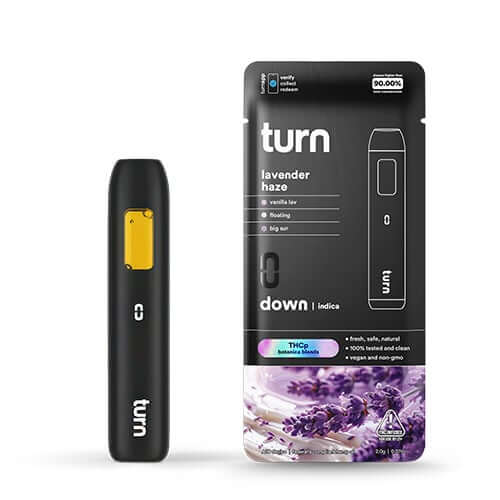
Turn THCA Disposable Vape Pen 2g

$24.99
Turn THCA Disposable Vape Pen 2g Turn THCA Disposable Vape Pen Review The Turn THCA Disposable Vape Pen delivers a refined experience for those who value performance and precision in every draw. Built with 2 grams of premium THCA, this… read more
THCA vs Delta-8 COAs: What’s Different?
Both THCA and Delta-8 products are hemp-derived but undergo different testing procedures. Here’s how the COAs differ:
| Section | THCA COA Focus | Delta-8 COA Focus |
|---|---|---|
| Primary Cannabinoid | THCA % | Delta-8 THC % |
| Conversion Formula | (THCA × 0.877) + Δ9 THC | Direct potency percentage |
| Common Impurity | Trace Δ9 THC | Unconverted isomers |
| Legal Concern | Post-decarb compliance | Immediate potency check |
Understanding these differences helps you compare products accurately. tetrahydrocannabinolic acid COAs often look stronger on paper because Tetrahydrocannabinolic Acid converts to Δ9 upon heating, whereas Delta-8 potency is already in its active form.
How Superstrain Leads the Industry in Transparency
Superstrain’s testing process is built for full consumer visibility. Every batch of Tetrahydrocannabinolic Acid vapes and Delta 8 gummies is sent to independent, ISO-accredited labs. Reports are uploaded directly from the lab to Superstrain’s product pages—never rehosted or modified.
- Why it matters: You’re not taking a retailer’s word for it; you’re seeing data straight from scientists who performed the tests.
Common Mistakes Beginners Make When Reading COAs
- Confusing THCA with Total THC: Remember the conversion factor.
- Ignoring the Test Date: Older than 6 months may be outdated.
- Skipping the Contaminant Panel: Potency isn’t everything; safety matters.
- Trusting Screenshots: Always use live links to the lab site.
Using COA Data When Shopping Online
Let’s put this knowledge to work. Suppose you’re comparing two Superstrain items:
| Product | THCA % | Contaminants | Flavor Profile | Freshness (Test Date) |
|---|---|---|---|---|
| Voyager THCA Vape | 91 % | All ND | Citrus & Floral | March 2025 |
| Superstrain Delta 8 Gummies | 88 % Δ8 per unit | All ND | Mixed Fruit | April 2025 |
Both look excellent, but the COA confirms each product’s freshness and compliance. Choosing a trusted brand like Superstrain means you never have to second-guess the numbers.
COA Abbreviation Quick Reference
| ND | Not Detected |
| LOQ | Limit of Quantitation |
| CBDa | Cannabidiolic Acid |
| Δ8-THC | Delta-8 Tetrahydrocannabinol |
| Δ9-THC | Delta-9 Tetrahydrocannabinol |
| ppm | Parts Per Million (for solvents) |
Final Checklist Before Buying THCA or Delta-8 Products
- Confirm the COA exists and is recent (≤ 6 months).
- Match batch number on packaging and COA.
- Verify legal Δ9 THC compliance (≤ 0.3 %).
- Check for ND results on contaminants.
- Review the terpene profile and flavor notes if available.
- Buy only from reputable retailers like Superstrain.com.
Conclusion: Transparency Builds Trust
Reading a COA is no longer optional; it’s an essential skill for any responsible consumer. Whether you’re interested in the clean draw of tetrahydrocannabinolic acid vapes or the flavorful relaxation of Delta 8 gummies, understanding your lab report ensures you’re getting a safe, legal, and high-quality product.
At Superstrain, every item on the shelf is backed by a transparent COA verified by third-party laboratories. Because when you can read the science behind your product, you can shop with confidence.
FAQs
Why does THCA look so much higher than Delta-9 THC on a COA?
Because THCA is measured before heat activation. Once heated, THCA converts into Delta-9 THC using the formula (THCA × 0.877) + Delta-9. That’s why THCA numbers appear high—labs report it in its raw, pre-decarboxylated state.
Can a product still be legal if “Total THC” is above 0.3%?
Yes—legality is based on Delta-9 THC by dry weight, not THCA or Total THC. As long as the Delta-9 value remains ≤ 0.3%, the product meets federal hemp requirements, even if THCA levels are extremely high.
Do all COAs include terpene profiles?
Not always. Terpene testing is optional and varies by lab. Many premium brands include terpene panels for added transparency, but cannabinoid potency and contaminant testing are the required components for compliance and consumer safety.