
Table of Contents
Hemp products have exploded in popularity over the past few years. From gummies and flower to high-potency vape devices, the market now includes thousands of options. While that variety is great for consumers, it also makes understanding product labels more important than ever. Learning How to Read Hemp Product Labels helps you understand what you’re actually buying. Hemp packaging contains critical information about cannabinoid content, ingredients, testing standards, and safety. Whether you’re purchasing gummies, hemp flower, or disposable vapes, the label tells the story of the product’s potency and quality.
Why Hemp Product Labels Matter
Hemp product labels are more than just marketing. They provide key details about potency, ingredients, and testing verification. Because hemp products contain cannabinoids that interact with the body, accurate labeling is essential for transparency and consumer confidence.
Quality brands include detailed labels so buyers can understand:
- Cannabinoid potency
- Testing verification
- Ingredients and additives
- Production batch tracking
- Strain information
Without these details, it becomes difficult to determine whether a product meets quality and safety expectations.
Understanding How to Read Hemp Product Labels allows consumers to quickly identify trustworthy brands while avoiding products with incomplete or misleading information.
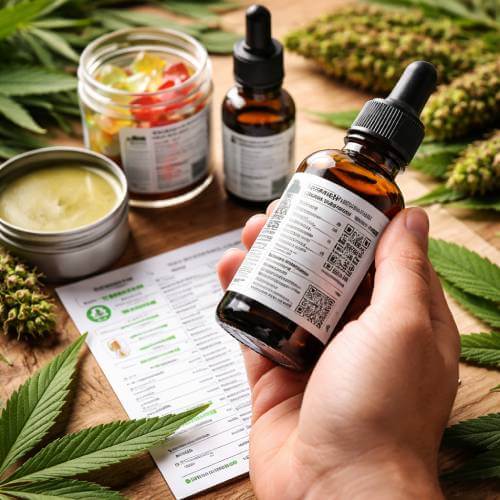
Key Elements Found on Most Hemp Labels
Although different product types display information in slightly different ways, several core elements appear on nearly all reputable hemp product labels.
Total CBD or THC Content
One of the most important details on any hemp product label is the total cannabinoid content. This number indicates how much of a specific cannabinoid is present in the product.
For example, a gummy package may list total Delta-8 THC per serving and per container. Vape products may show a potency percentage, while flower typically displays cannabinoid percentages.
Look specifically for terms such as:
- Total THC
- Total CBD
- Delta-8 THC content
- Cannabinoids per serving
It is also important to understand the difference between raw cannabinoid acids like THCA or CBDA and their active forms. These compounds require heat to convert into their active versions.
Certificate of Analysis (COA) or QR Code
The Certificate of Analysis, often accessed through a QR code, is one of the most critical parts of any hemp product label. This document shows independent laboratory testing results.
A proper COA verifies several key factors:
- Cannabinoid potency
- Heavy metal testing
- Pesticide screening
- Residual solvent testing
- Microbial safety checks
Scanning the QR code on a product like the ZAZA Delta-8 Live Resin Disposable Vape should take you directly to the lab results verifying the cannabinoid profile and safety screening.
Products without accessible lab testing information should generally be avoided.
ZAZA Delta-8 Live Resin Disposable Vape | 2 Grams

$19.98
ZAZA Delta-8 Live Resin Disposable Vape | 2 Grams Bringing out a new Delta-8 disposable vape, sure to give the perfect experience, comes the ZAZA Delta-8 Live Resin Disposable Vape. The ZAZA Brand ensures high-quality products and great performance and… read more
Batch Number and Production Date
Batch numbers are used for quality control and traceability. If a company needs to review production quality or address any issues, the batch number allows them to track exactly when the product was manufactured.
Reputable labels typically include:
- Batch number
- Manufacturing date
- Testing date
- Expiration or best-by date
This information ensures the product can be traced back to its production run if necessary.
Strain Type
Some hemp products also identify the strain profile used in the product. These are usually categorized as:
- Indica
- Sativa
- Hybrid
While strain labels are most common on flower and live resin products, they may also appear on vape cartridges and infused products.
How to Read Hemp Flower Labels
Hemp flower labels often contain more detailed botanical information compared to other hemp products.
Understanding these details helps you evaluate the quality and characteristics of the flower.
Cannabinoid Percentages
Unlike edibles, hemp flower potency is usually displayed as a percentage of the plant’s weight. A label may list cannabinoid percentages such as THC, CBD, or other minor cannabinoids.
For example, a flower label might show cannabinoid potency expressed as percentages rather than milligrams.
This percentage represents how much cannabinoid is present relative to the total weight of the flower.
Terpene Content
Terpenes are aromatic compounds that influence the scent and flavor profile of hemp flower. Some premium products list terpene percentages directly on the label.
Common terpenes include:
- Limonene
- Myrcene
- Pinene
- Caryophyllene
Terpene percentages may be relatively small, but they play a major role in aroma and overall sensory characteristics.
Harvest and Testing Dates
Freshness matters with hemp flower. Over time, cannabinoids and terpenes gradually degrade. Because of this, harvest and testing dates help indicate how recently the product was processed.
When learning How to Read Hemp Product Labels, checking the harvest or testing date is one of the easiest ways to determine whether the flower is relatively fresh.
How to Read Hemp Edible Labels (Gummies)
Edibles such as gummies follow a labeling format more similar to food products. Instead of percentages, potency is usually measured in milligrams.
Milligrams Per Serving
The most important information on an edible label is the cannabinoid amount per serving. Hemp gummies typically display two numbers:
- Milligrams per gummy
- Total milligrams per package
For example, a package of Superstrain Delta 8 Gummies may list a specific milligram amount per piece along with the total cannabinoid content for the entire container.
This information helps consumers understand exactly how much cannabinoid is contained in each serving.
Ingredient List
Like any food product, hemp gummies include an ingredient list. This section can reveal important information such as:
- Sweeteners
- Flavoring ingredients
- Coloring agents
- Allergen warnings
Consumers with dietary restrictions or sensitivities should always review the ingredient list carefully.
Nutritional Information
Some edible labels also include nutritional panels similar to standard food packaging. These may display calories, sugar content, and serving size information.
Although cannabinoids are the main focus of the product, these nutritional details can still be helpful when evaluating edible products.
How to Read Hemp Vape Labels
Vape products have their own unique labeling structure because they contain concentrated hemp extracts rather than raw plant material or edible ingredients.
Cannabinoid Potency Percentage
Vape labels typically display cannabinoid potency as a percentage. This number represents how concentrated the cannabinoid extract is within the oil.
High-potency vape products can often contain very high cannabinoid percentages due to the concentrated extraction process used to produce the oil.
Devices such as the ZAZA Delta-8 Live Resin Disposable Vape commonly display this potency information along with the total volume of oil in the device.
Ingredients and Additives
Responsible hemp vape labels list the ingredients used in the formulation. A typical label may include:
- Hemp-derived cannabinoids
- Terpenes
- Carrier oils or flavor compounds
Quality vape products generally avoid harmful thinning agents such as Vitamin E acetate or certain oil additives.
Reviewing the ingredient list ensures that the product formulation is transparent and clearly disclosed.
Terpene Source
Some vape labels also identify whether the terpenes are cannabis-derived or botanical. This detail can influence the flavor profile and aroma of the vapor.
While both sources are commonly used in the industry, clearly labeled terpene sourcing demonstrates product transparency.
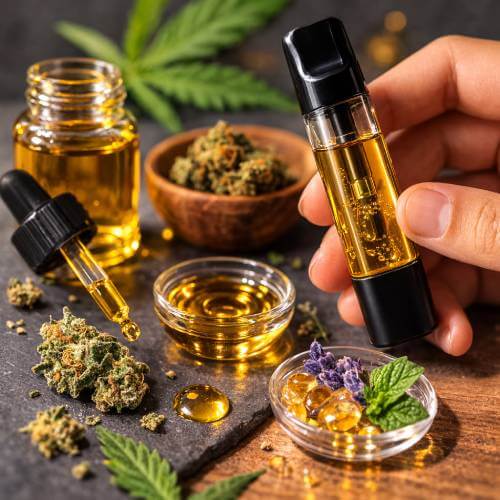
Red Flags to Watch for on Hemp Labels
While many hemp brands provide excellent labeling transparency, some products may contain incomplete or misleading information.
Common warning signs include:
- No accessible COA or lab testing
- Missing batch numbers
- Unclear potency information
- No ingredient list
- Unrealistic potency claims
Learning How to Read Hemp Product Labels helps consumers quickly identify these red flags and avoid questionable products.
Why Third-Party Testing Matters
Third-party testing is essential for verifying hemp product safety and accuracy. Independent laboratories analyze samples to confirm cannabinoid content and screen for contaminants.
These lab results provide unbiased verification that the product matches the claims listed on the label.
Reliable brands provide easy access to their testing results through QR codes or website links so customers can review them directly.
Final Thoughts on Reading Hemp Product Labels
Understanding How to Read Hemp Product Labels empowers consumers to make informed purchasing decisions. Hemp labels contain valuable information about potency, ingredients, testing standards, and product freshness.
By reviewing cannabinoid content, checking lab test results, verifying ingredient lists, and confirming batch tracking information, buyers can better evaluate product quality and transparency.
Whether you are choosing gummies, hemp flower, or vape products, taking a moment to read the label can help ensure you understand exactly what you are purchasing.
FAQs
What is the most important part of a hemp product label?
The Certificate of Analysis (COA) is one of the most important elements because it verifies independent lab testing for potency and contaminants.
Why do hemp gummies list milligrams instead of percentages?
Edibles measure cannabinoid potency by milligrams per serving because they are consumed in portions rather than by weight like hemp flower.
How do vape labels display potency?
Vape products typically display cannabinoid potency as a percentage along with the total amount of oil contained in the device.